
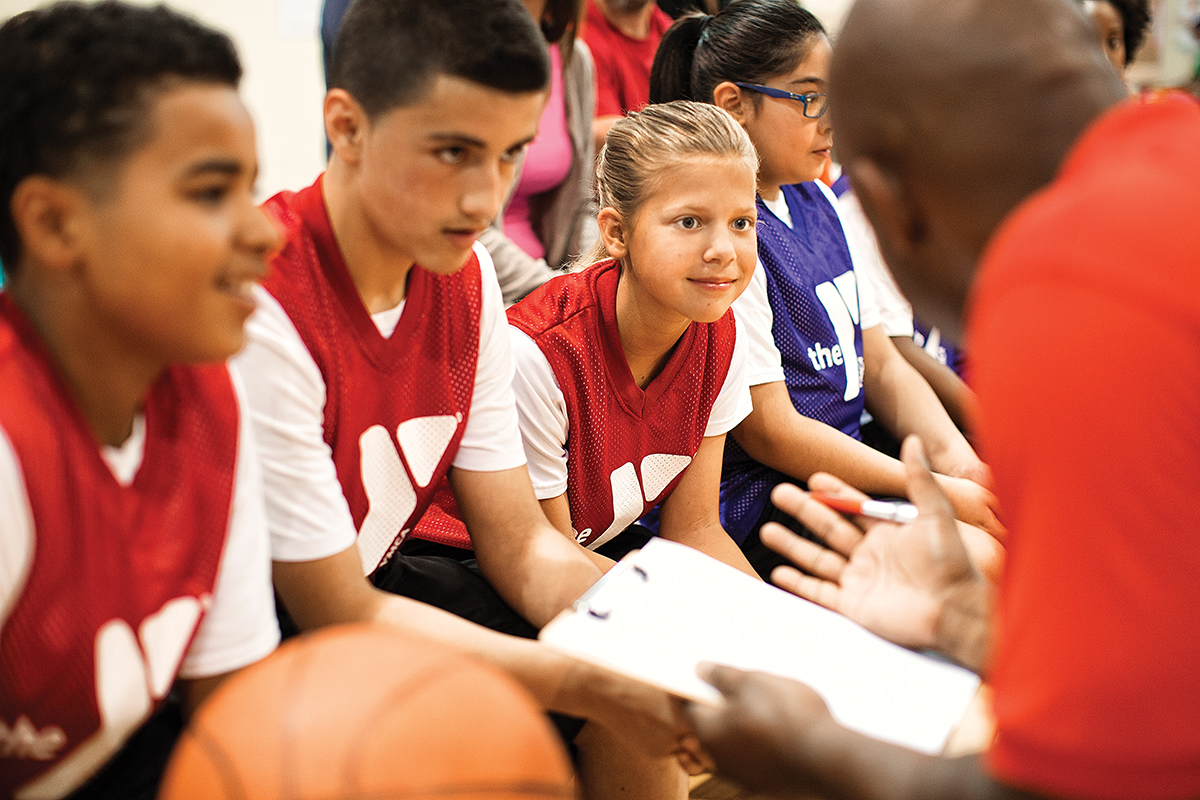
Want to Become a Better Coach? Coach at the YMCA
One of the best coach development programs in the country probably isn't where you think it is.
It doesn't require an invitation. It isn't reserved for elite coaches. And it probably exists within a few miles of where you live.
It's your local YMCA.
I believe every young coach should spend time there. Not because it will make your résumé more impressive, but because it will expand your coaching horizons.
Today's coaches are increasingly hired to excel in a specific area of performance. Their "lane" might be recruiting, offensive strategy, player development, physical preparation, analytics or team culture. These roles are incredibly valuable, and organizations need people who possess deep expertise.
As the level of sport rises, specialization naturally becomes even more common. Coaches become responsible for increasingly narrow areas of performance, creating competitive advantages and, in many cases, becoming indispensable members of a coaching staff.
There is tremendous value in specialization.
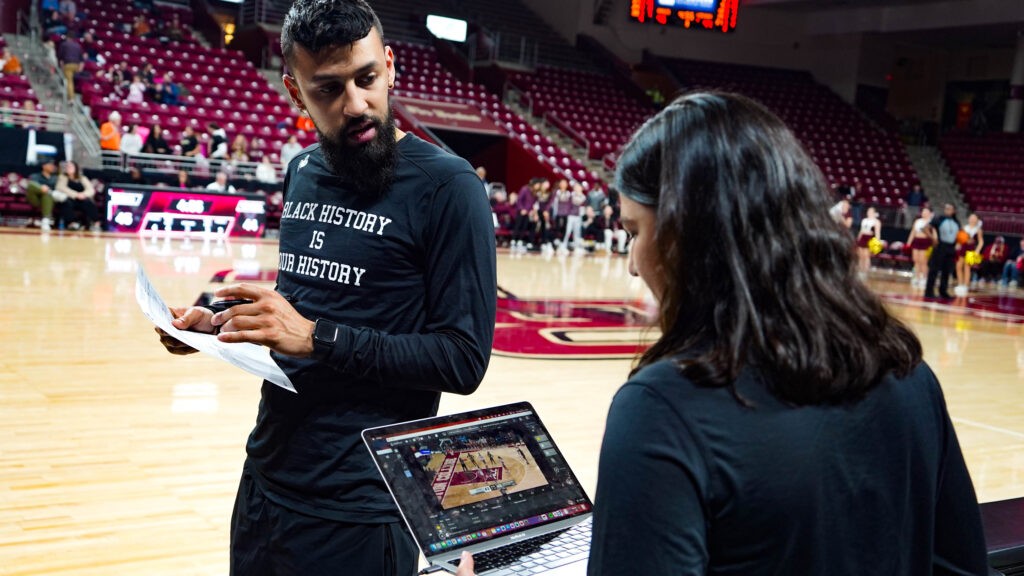
But if you're early in your coaching career, there is also a danger in becoming known for and learning only one thing. (RW Performance Article)
One day, you may interview for a head coaching position. No one will ask whether you were an outstanding recruiting coordinator or an exceptional player development coach. They'll want to know whether you can lead people, build a culture, make difficult decisions, develop athletes and staff, communicate under pressure, and guide a program through both success and failure.
Head coaches don't have the luxury of staying in one lane.
Earlier in my career, I coached at the youth, high school, small college and NCAA Division I levels. Today, I coach coaches through my high-performance consulting practice. While I rely heavily on those experiences, I've also committed to continue coaching the sport I love: basketball.
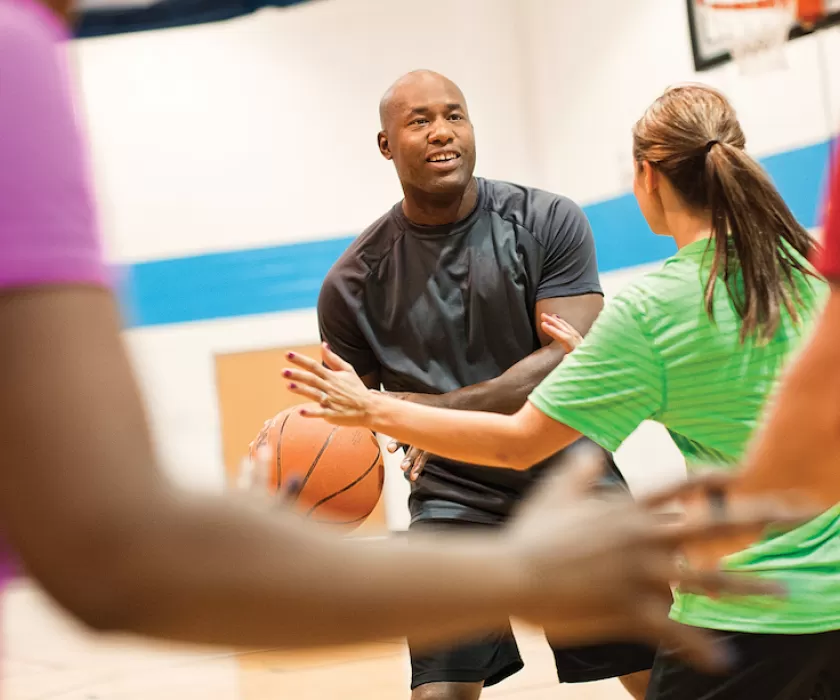
Over the past year, I've been coaching at my local YMCA. On paper, it probably doesn't look like a career-enhancing opportunity for coaches.
In reality, it presents some of the best coaching development I've experienced in years.
The YMCA model is refreshingly different from much of today's youth sport landscape. Teams stay together for only two months before being completely redrafted. Players experience different teammates, different coaches, and different leadership styles. There is one practice and one game each week, leaving plenty of room for kids to play multiple sports.
I think it's an outstanding model for young athletes.

I think it's an even better one for young coaches.
Every couple of months, I inherit a completely different team—or two—with unique personalities, different ability levels and new challenges. Every practice requires me to adjust.
One day I'm teaching fundamentals. The next, I'm helping a player build confidence.
Next, I am communicating with parents, making tactical decisions, and figuring out how to help a group of strangers become a team.
For a few hours every week, I'm responsible for everything.
Recently, I interviewed Lance Randall, Assistant Coach with the University of Wisconsin men's basketball program, on my Take a Swing podcast. I asked Lance what advice he would give young coaches.
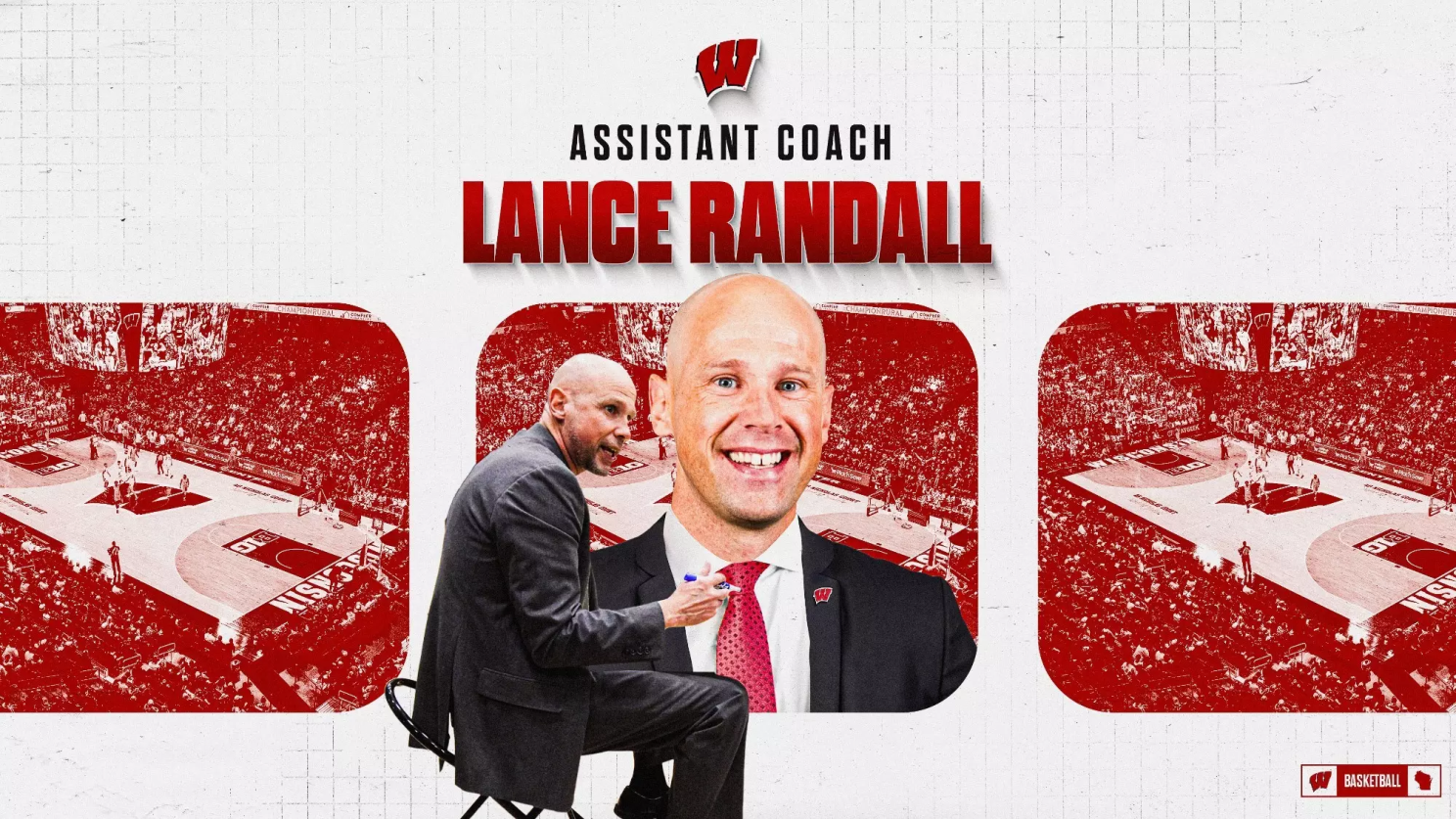
His answer couldn't have been clearer.
"Get in there, roll up your sleeves and be involved in every aspect."
He continued,
"As a coach, you have to be able to step in and teach, coach, and be prepared to fail."
In other words, become a complete coach.
If you're a young coach with ambitions of coaching at the highest level, look for opportunities that stretch you beyond your current role. Volunteer to take on different responsibilities within your program. Coach younger athletes in the off-season. Reach out to regional or national teams and offer to help—even if it's in a junior role. Put yourself in environments where you're responsible for far more than your area of expertise.
Don't chase the most impressive title. Chase the experiences that make you a better coach.
Your résumé might get you an interview, but your coaching toolkit will earn you the job.
Early in your career, your greatest competitive advantage is building a broad coaching foundation.
The four hours I spend each week at the YMCA have become my classroom.
The players improve.
And so do I, in a multitude of ways.
For any coach hoping to raise their game, I can't think of a better investment of time.


